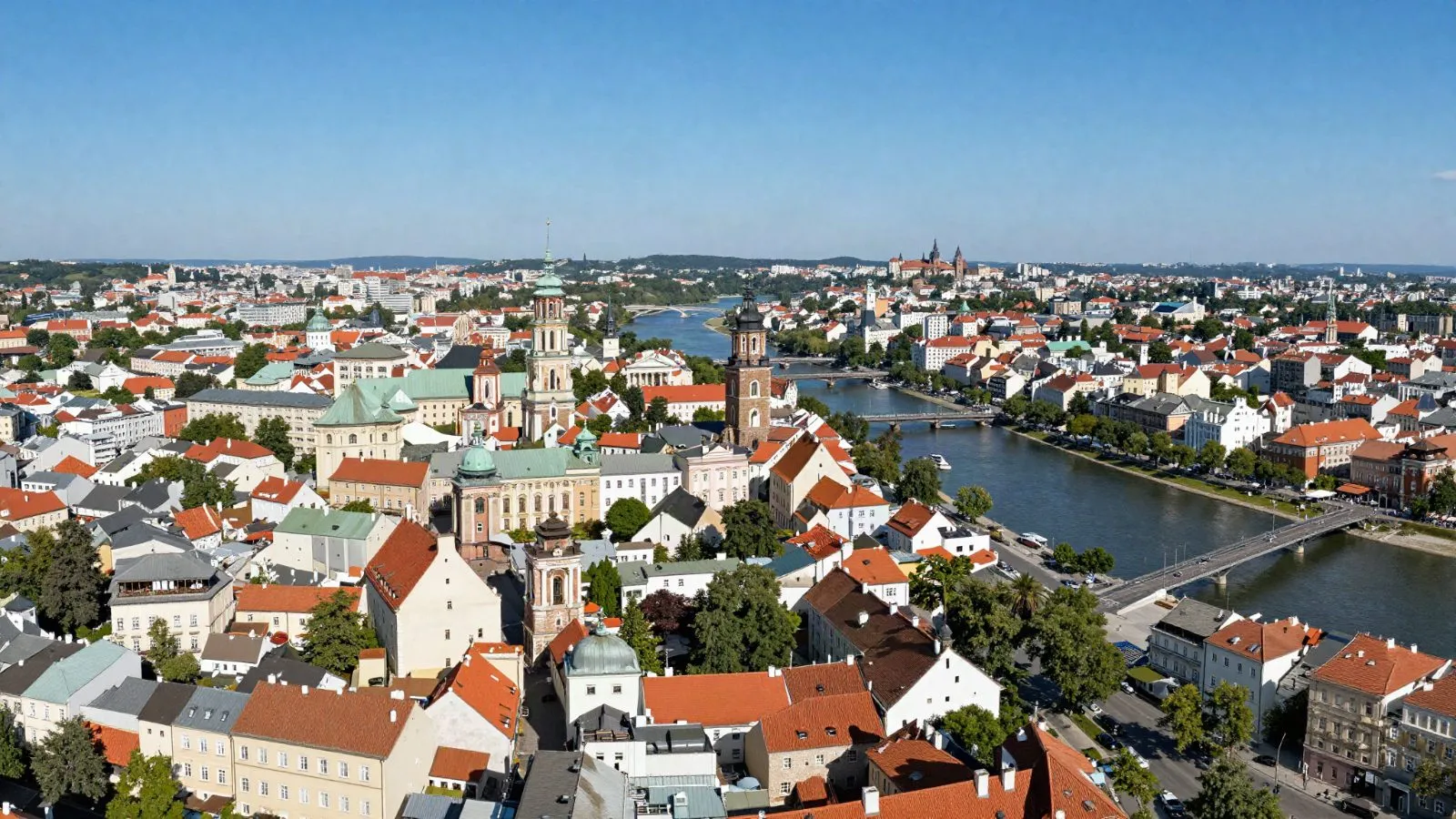
Krakow is officially split into 18 districts, but visitors mostly need to know a handful of neighbourhoods. Here is what each area is like.
Quick facts
- Official districts: 18
- Tourist core: Old Town, Wawel, Kazimierz
- South of the river: Podgórze, Zabłocie
- East: Nowa Huta
Old Town (Stare Miasto)
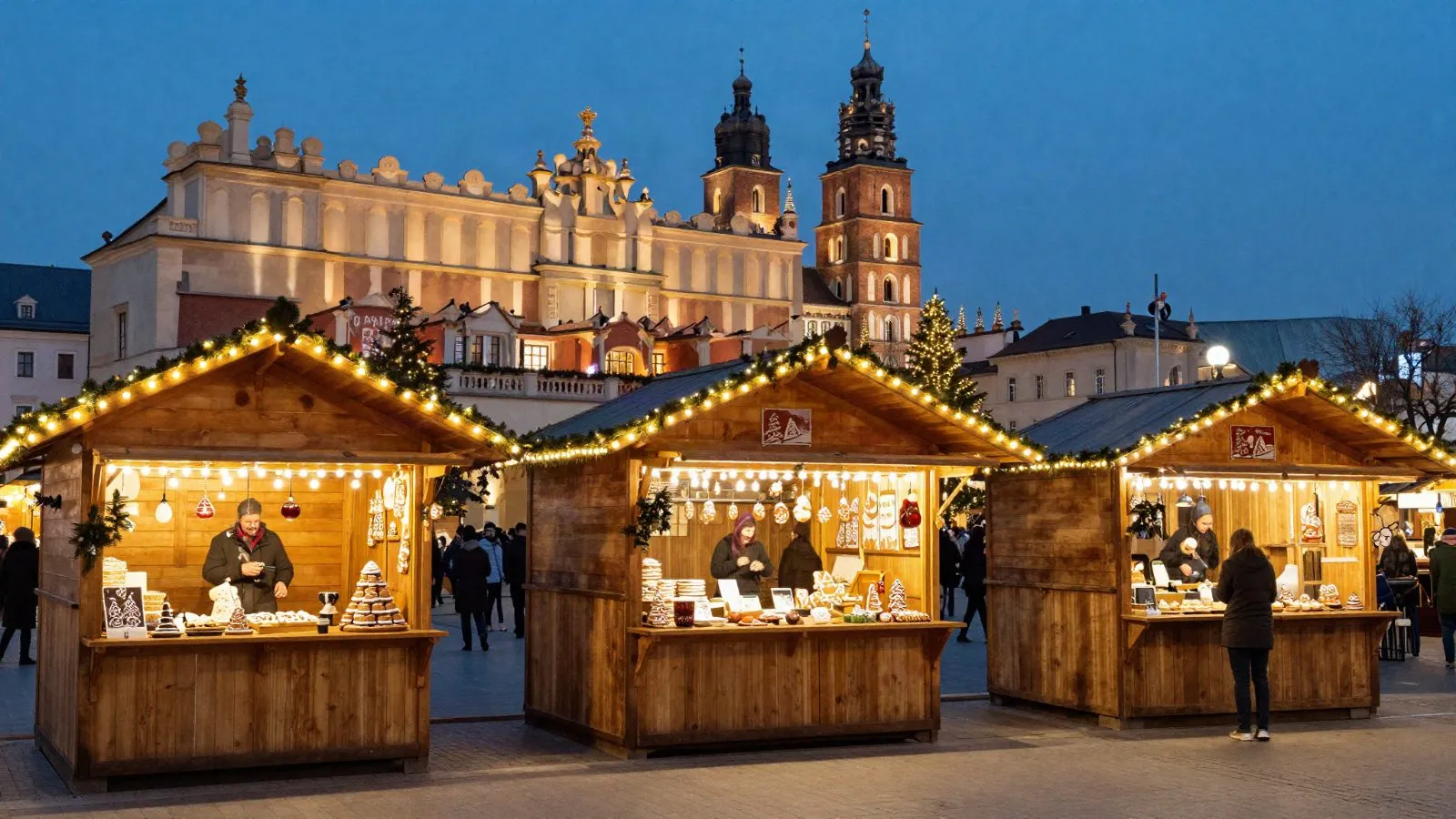
The medieval centre inside Planty Park, with the Main Square, churches and museums. Most first-time visitors stay here or nearby. See hotels in the Old Town.
Wawel and Okół
South of the square, Grodzka and Kanonicza streets lead to Wawel Castle. This is the oldest part of the city.
Kazimierz
The former Jewish town, now Krakow’s most atmospheric area for food and nightlife. See Kazimierz and staying in Kazimierz.
Podgórze
Across the river, home to the wartime ghetto, Krakus Mound and the Zakrzówek lagoon. Connected to Kazimierz by the Bernatek Footbridge.
Zabłocie
A post-industrial area east of Podgórze with Schindler’s Factory, MOCAK, cafes and lofts.
Kleparz and the station area
North of the Old Town, with Stary Kleparz market, Kraków Główny and Galeria Krakowska. Practical for transport.
Zwierzyniec and Salwator
West along the river, with green hills, villas, the Norbertine convent and the path to Kościuszko Mound. Nearby are Bielany and the Wolski Forest.
Dębniki and Ludwinów
On the south bank opposite Wawel, with the Manggha Museum, ICE Krakow and riverside views.
Nowa Huta
A communist-era planned town in the east; see Nowa Huta tour.
Getting between districts
Most central areas are walkable. Trams link everything else; see Krakow public transport. For the right base, read where to stay in Krakow.
Frequently asked questions
How many districts does Krakow have?
Krakow is divided into 18 administrative districts.
What is the best district to stay in Krakow?
The Old Town for sightseeing, Kazimierz for food and nightlife, and Podgórze for a quieter local feel.